Movie review by Greg Carlson
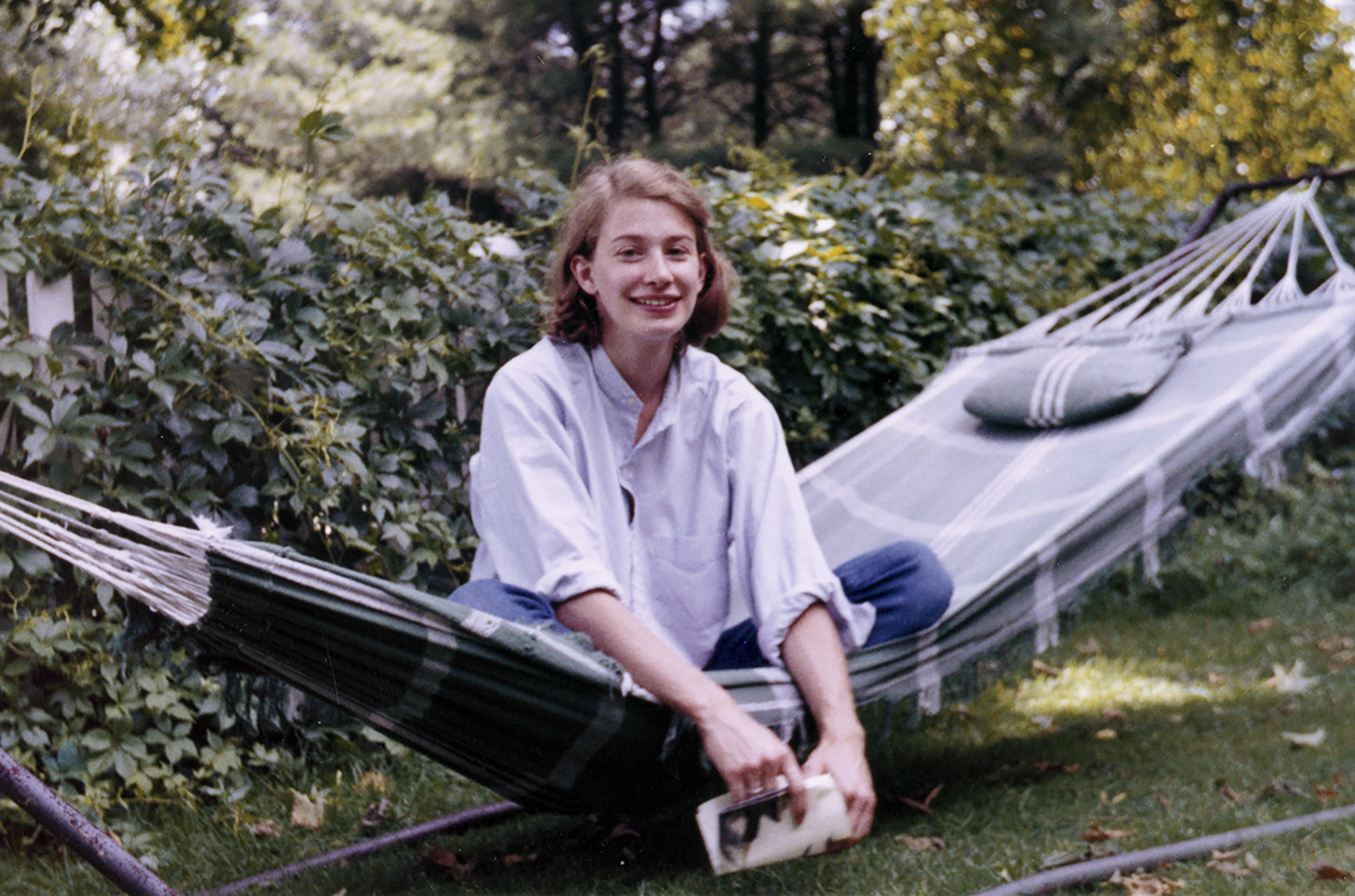
Shortly before the theatrical run of “Mary Oliver: Saved by the Beauty of the World,” the gentle and moving feature documentary by Sasha Waters that honors the late poet in nearly all the best possible ways, a friend wrote to me: “I am probably not alone in saying that Mary Oliver saved my life.” In the movie, an admirer hoping that Oliver will recite “The Journey” expresses the same sentiment, confirming and affirming the power of the great writer. Oliver died in early 2019 at the age of 83 following one wild and precious life. Blending archival images, newly captured interviews with Oliver confidantes and fans, and her signature 16mm footage, Waters strikes a fine balance between a traditional biographical account and an artistically-minded embrace of words.
Along the way, Waters dismantles the tenacious misperceptions that dogged Oliver for so long. The master’s deceptive simplicity and straightforward language, along with the pejorative “nature poet” label that often made for easy critical dismissal, confounded many elitists. Add to that the late-bloomer narrative (the Pulitzer would be hers in 1984 and the National Book Award recognition followed in 1992) as well as Oliver’s steadfast refusal to be anthologized in women-only collections and a bigger picture comes into sharper focus. Lindsay Whalen, who will be publishing a highly anticipated authorized biography, is one of several valuable talking heads interviewed by Waters.
Along with Whalen, many poets, intellectuals, academics, and celebrities appear on camera to sing Oliver’s praises. The movie begins with Stephen Colbert attempting to recite “The Summer Day.” Colbert manages to get through the first line of what is arguably Oliver’s most frequently quoted poem before he is too overwhelmed with emotion to continue. It’s no stunt, as Waters will return to and then ultimately bookend her film with Colbert’s earnestness and gravitas. Waters faces the herculean task of choosing key poems to highlight. Colbert receives a welcome assist from Jason Reynolds on “The Summer Day.” Reynolds: “It’s great every single time.”
The filmmaker knows very well that the sight of some famous faces – Oprah Winfrey, Helena Bonham-Carter and Steve Buscemi, for example – casts a glow different from the sort made by the likes of Ariana Reines, David Keplinger, Major Jackson, Donika Kelly, Gabrielle Calvocoressi and others. Bridging the gap is filmmaker John Waters, a perennial documentary guest tapped for his seemingly endless supply of on-camera wit in the service of many topics. In this specific case, however, the inclusion of Waters turns out to be crucial. His close, decades-long friendship with Oliver and Oliver’s great love Molly Malone Cook, forged in their beloved Provincetown neighborhood, allows the film to explore Oliver’s queerness from an intimately personal perspective.
Oliver said that the two things she loved “from a very early age were the natural world and dead poets.” Without any pedantry, Sasha Waters folds in enough history to place Oliver in the American pantheon alongside titans like singular influence Walt Whitman (Oliver quipped that she read “Whitman, Whitman and Whitman”). The film touches on everything from Oliver’s work for Edna St. Vincent Millay’s sister Norma Millay Ellis to the curious way she handled the tension between competing desires for privacy and recognition. Those Whitmanesque contradictions, and a rich body of work, reveal an unforgettable original whose literary reputation continues to grow larger and larger.