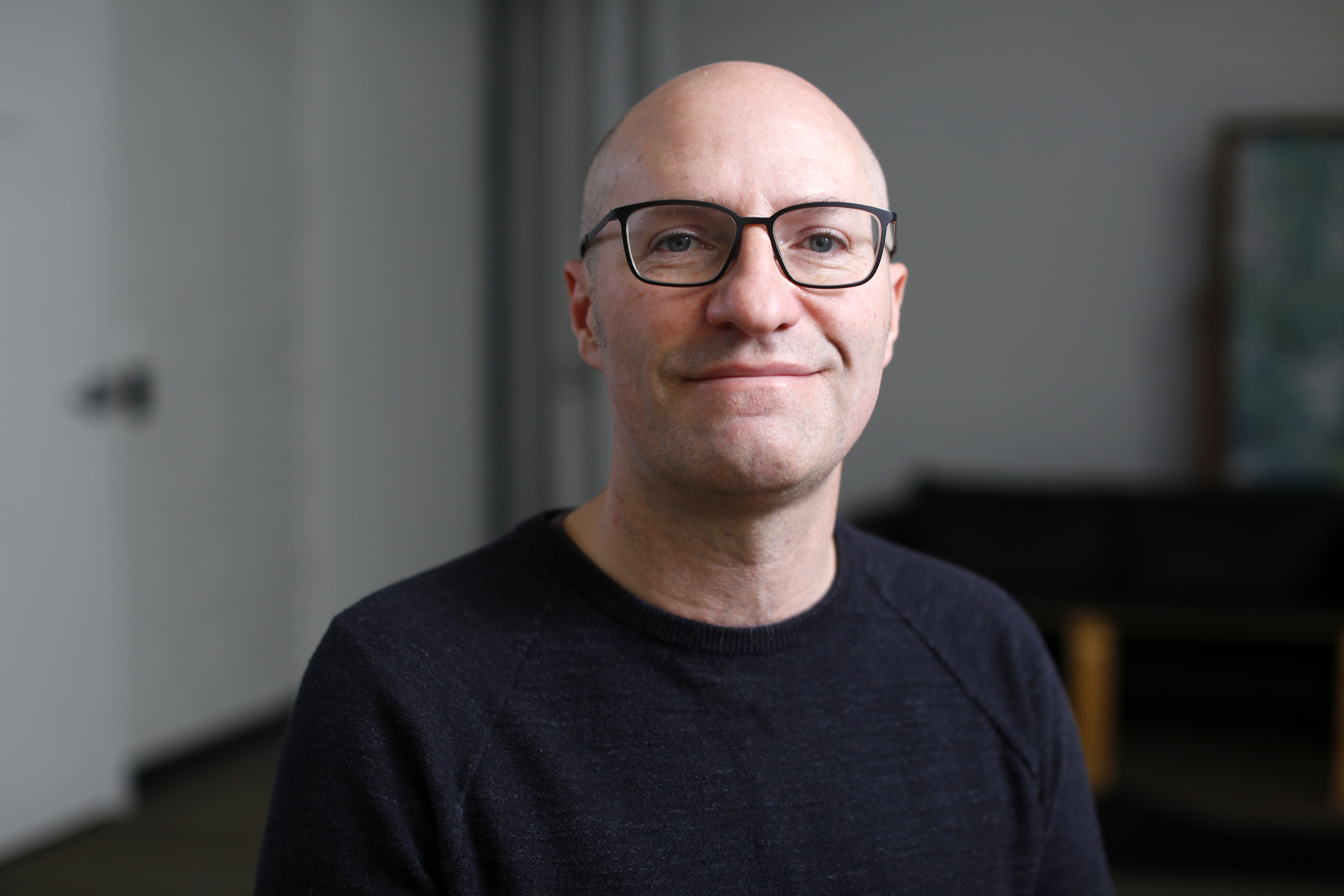
Interview by Greg Carlson
I first met filmmaker Chris Newberry when we connected at the Fargo Film Festival in 2004. His film “Agora” received the award for Best Narrative Short that year. Over the years, he would go on to screen more of his movies at the festival. Newberry’s latest feature, “Echoes in the Night: The Search for Jacob Wetterling” is showing at the Fargo Theatre for the rest of the week.
GC: When did you know you wanted to use filmmaking as a means to tell stories?
CN: Like many people in this line of work, I was really into movies growing up, just like you. I would hang out with my cousins every summer, and three of us ended up doing something in the film industry. Watching movies together was part of childhood.
GC: Did you study moviemaking in school?
CN: I was in the engineering program at Northwestern in Chicago but I knew I wanted to do something with film. I started hanging out with film students and taking film classes and eventually made my own short as an extracurricular activity. That’s when it started to feel like I could do this as my life’s work.
I moved back to the Twin Cities after college. And then I went to London and got a master’s degree in a film program there. I still dreamed of writing and directing an indie feature that I could take to Sundance. I wrote screenplays for a while but I never made a feature-length scripted movie. I migrated to documentaries between 2000 and 2010.
GC: “Echoes in the Night” is your third feature documentary. The themes of your movies broadly reside in the space of civic responsibility and engagement. How do you locate the balance between being a storyteller and being an advocate?
CN: I don’t go into any project thinking of myself as an advocate, but I do let my moral compass guide me along the way.
GC: Do the subjects of the films choose you or do you choose them?
CN: In the case of the Jacob Wetterling project, I chose. But my early documentary work was all in healthcare, including my first feature, “American Heart.” In that case, the subject matter found me because it stemmed from relationships I made through my wife, who is a doctor. She introduced me to some people that I ended up collaborating with, and so in that way, I stepped sideways into it.
I had really good access to a patient population that was almost all refugees. Because of the level of access, the storytelling could have gone a lot of different ways. I was drawn to a few individuals I met, patients and some of the staff too, and that turned into looking at the trauma of escaping war-torn homelands.
GC: I talk to my students about the importance of access. “Echoes in the Night” could not have been made without the access that you had, the relationship that you developed and the trust you built with Patty and Jerry Wetterling.
CN: Our mutual friend and my mentor Melody Gilbert was a big part of the reason I ended up doing documentary work. Melody would always say in her weekend documentary boot camp at what is now Film North that the three most important things in documentary filmmaking are access, access, and access.
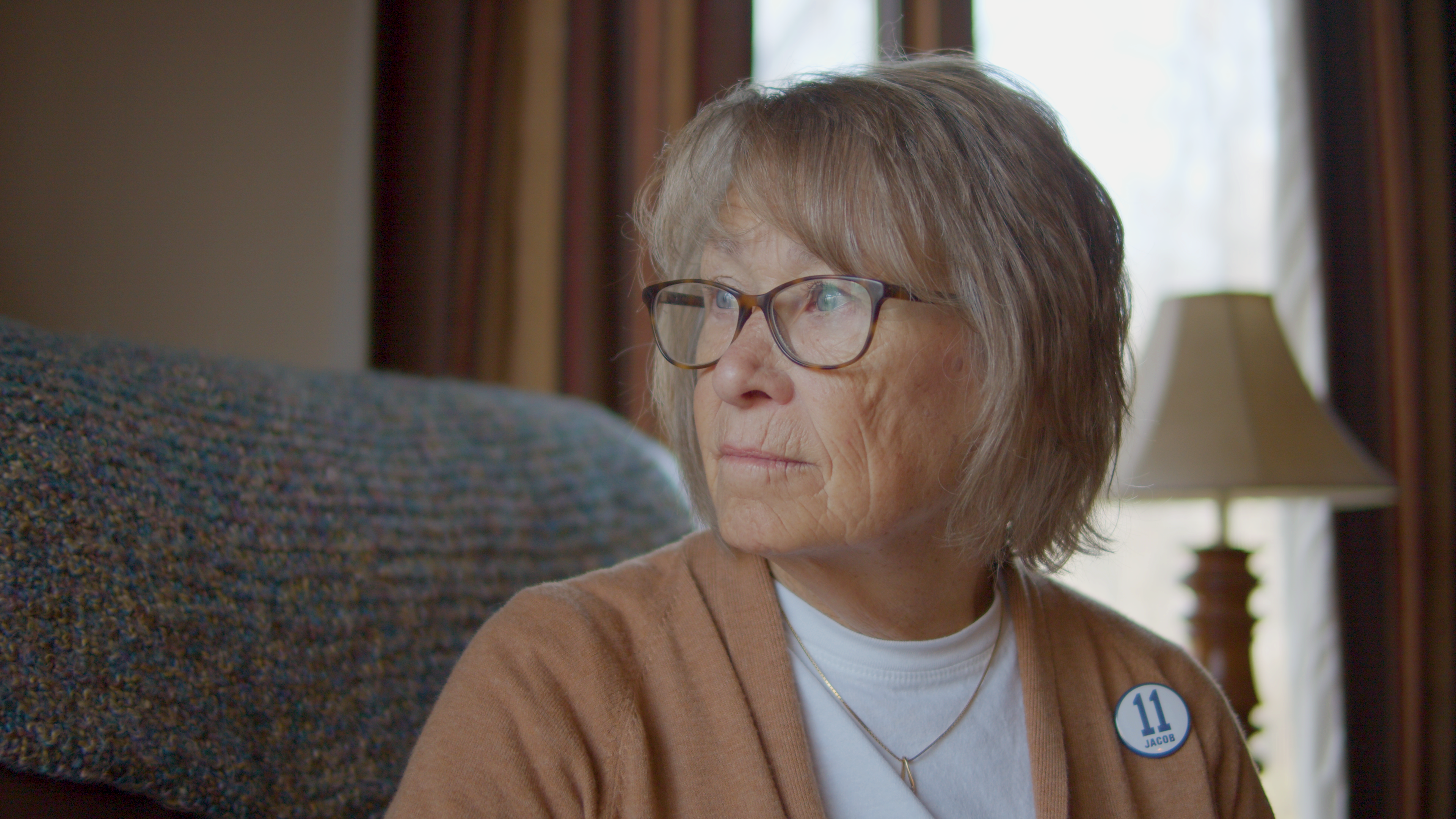
GC: Some people may not realize that you worked on “Echoes in the Night” for 10 years.
CN: Like a lot of people in our region, I grew up with this story. I was 15 when Jacob was abducted and it stuck with me. And then in 2014, 25 years after the abduction, they started a new public awareness campaign, mostly around Stearns County, but it made the news in the Twin Cities. They put up billboards with Jacob’s photo and an age-progressed rendering of his face with big words on it: “Still Missing.” That sparked the idea.
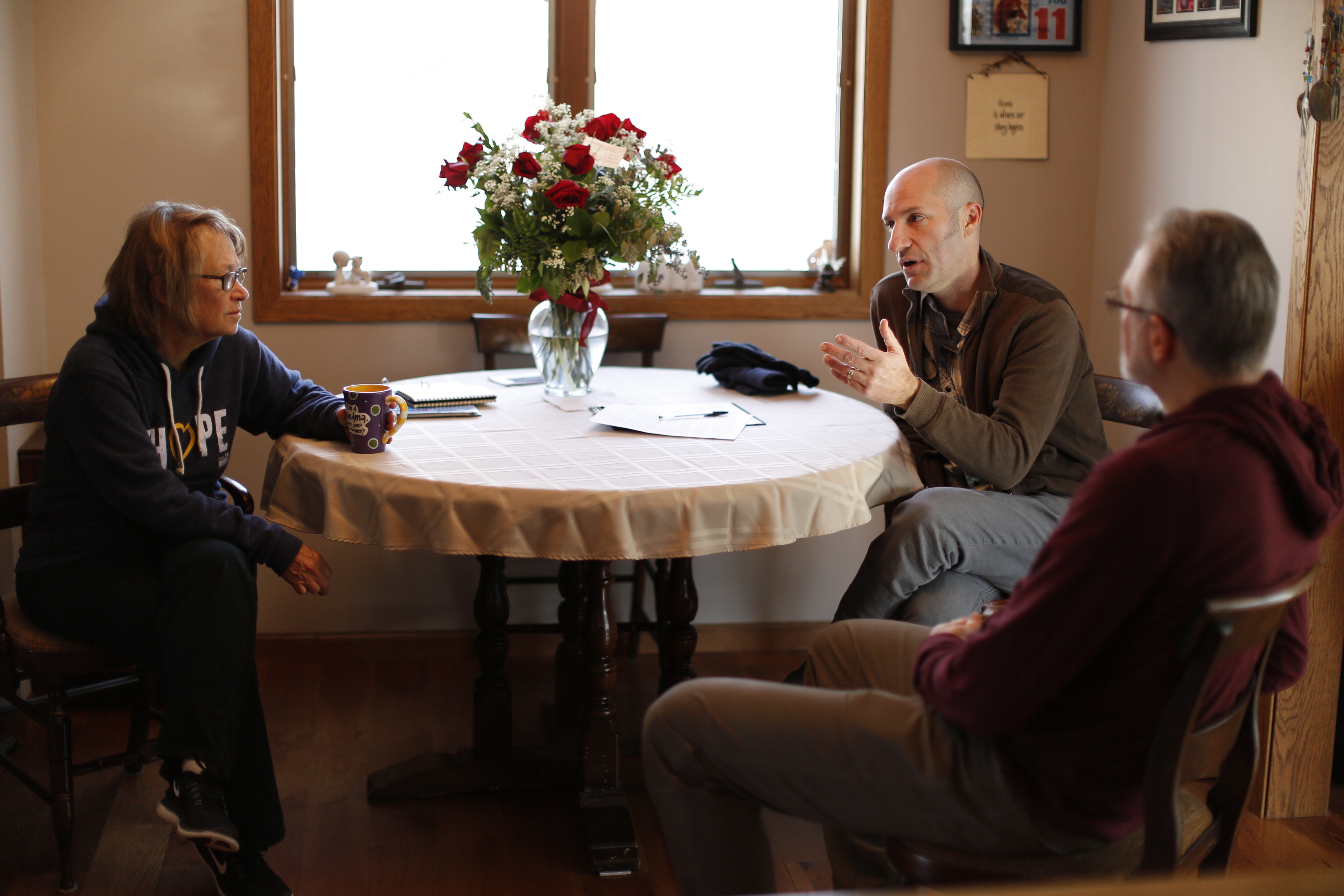
It took me a while to get up the nerve, but I reached out to the Wetterlings in 2015, sitting down with Patty over coffee to discuss what it could look like and what my vision was and to get a sense whether or not she had the appetite for something like this.
Of course, the circumstances were a lot different in 2015 because there had not been any arrest. That hadn’t happened yet. As a cold case, there was a lull in attention. The cameras weren’t around as much as in the early days, and so I think the Wetterlings were open to telling Jacob’s story in a feature-length form. After that first coffee with Patty, I had two or three more meetings at their house in St. Joseph and Jerry joined us for those. They brought in a few other people from their circle of trust to make sure everything sounded okay.
GC: “Echoes in the Night” transcends the limitations of true crime by avoiding some of the more lurid aspects of the genre. I imagine that choice was built into your approach.
CN: Yes, it was absolutely baked-in. I like true crime documentaries and I think that like any genre, there are good ones and there are bad ones. There are some that leave you wondering whether the victim’s family felt good about the end result. “Making a Murderer” was one of the first big shows that launched a popular wave of true crime documentaries. Season one was really good but it made me wonder how the victim’s family felt about the project. That question was always in my mind when I thought about the Wetterlings. I wanted to be sensitive.
GC: True crime frequently flirts with exploitation.
CN: In those early meetings, Patty and Jerry were explicit about the question of how exploitational the movie would feel. At one point Patty said that she had an aversion to reenactments, so we decided not to do that. Some things in the film – not the night of the crime but some of the investigative stuff – still feel a little like reenactments, but that’s actually found footage from old archival stuff. We didn’t shoot any reenactments.
GC: I think that’s a really good choice.
CN: I shouldn’t say it was never on the table, but I never seriously planned on doing reenactments. In the end, we were following a North Star, and that was how Patty and Jerry would feel about things. The creative vision for the film lined up with that.
GC: The film is very measured and balanced. And all the key subjects, including Jacob, are handled with dignity and respect.
CN: Because she is such a dynamic, charismatic figure and she already has a big media presence, Patty said right up front that she didn’t want it to feel like a vanity piece about her. She’s also midwestern to a fault. She’s very, very humble. And she didn’t want a film about Patty Wetterling. That was one of the things that we talked about before we started.
GC: Would you say it was easier or more difficult to bring Joy Baker and Jared Scheierl and Dan Rassier into the project? Were they initially on your list of participants important for you to include?
CN: Great question. I knew that I was going to interview a lot of people, but I didn’t have those three individuals written in my notepad right away. I knew about Jared and Joy and Dan from having watched the news over the years but I had no idea how important their stories were when I started.
The journey of getting them on board was a little different for each. Joy was first because she’s close friends with Patty. A lot of stuff in the second act of the film took place in the 10-month period between the arrest and the confession, and that was a time of very heightened emotions because the throngs of media were interested again.
I remember my first call with Joy. I tried to tell her who I was and that I was working with Patty and Jerry and wanted to interview her and right away she said, “You’re not recording this, are you?” She thought I was an investigator or reporter or that I was doing a very different kind of documentary. I give Joy and everybody credit for having healthy skepticism. Everybody tiptoed very slowly into the process of appearing in the film. It helped with almost everyone to know that Patty and Jerry were on board and endorsed it.
GC: Jared Scheierl is tremendously significant to the movie.
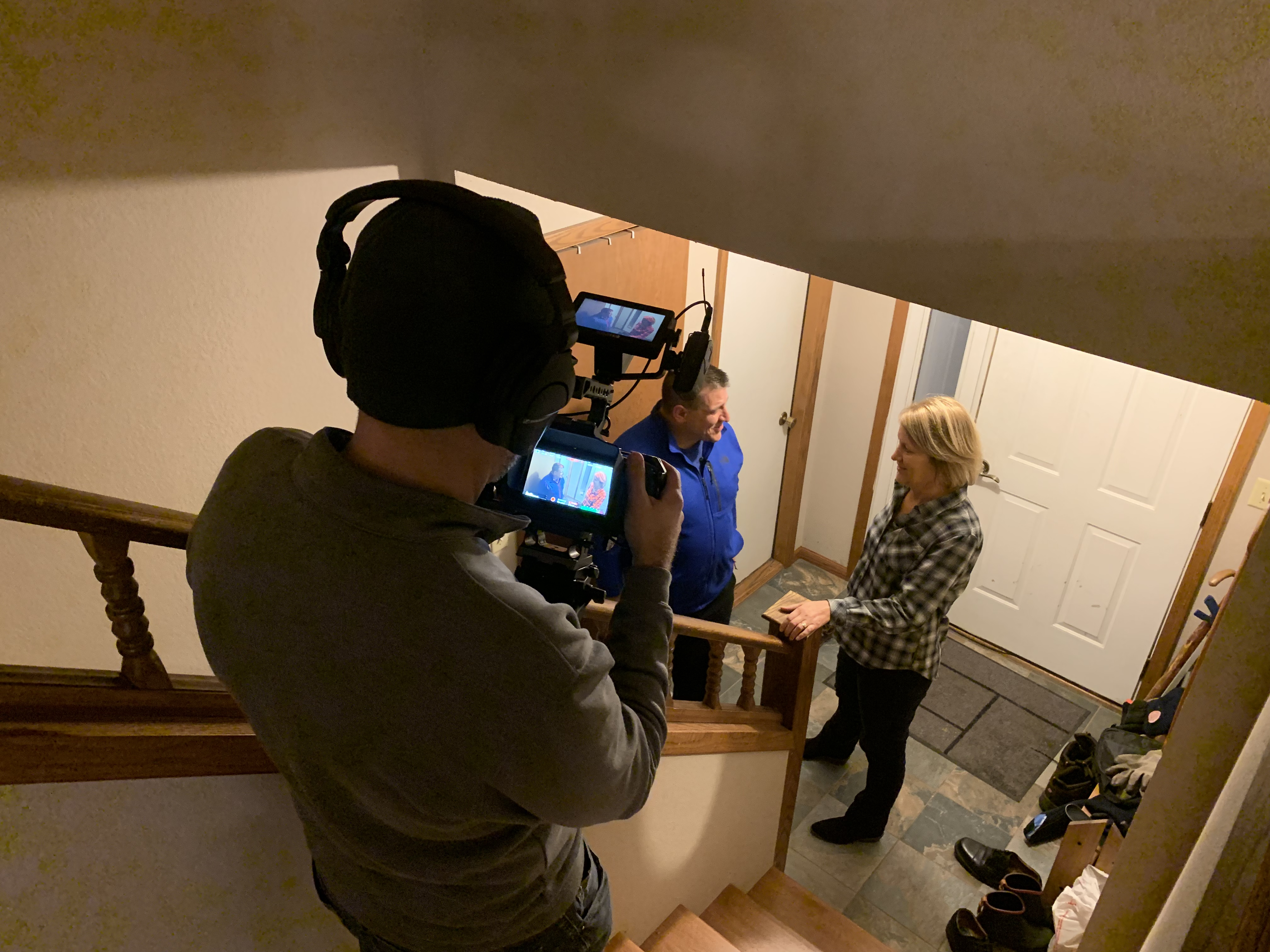
CN: I am grateful for his participation. We filmed for years before he gave his final approval and signed a release form. So there was trust-building and documenting happening simultaneously with Jared and I give him a lot of credit for trusting me.
I’m so glad that he and I both stuck with it and didn’t give up on each other because I’m proud of how the film tells his story and I do hear from a lot of people that Jared’s story was one of the things that stuck with them. One of the common reactions to the film, especially for people in this part of the country, is that it really fills in some gaps in the Jacob Wetterling story. Even when they don’t say it explicitly, I’m pretty sure that Jared’s story is a big part of that.
GC: It definitely is.
CN: Jared’s story is so complicated. You could write a thousand page book about him. I know with all the other stuff that had to fit into the film, it was a big challenge. He and the Wetterlings embraced the rough cut I showed them and ever since then they’ve been supportive, promoting the screenings and coming out and appearing and doing some Q&A’s where they inevitably face difficult and intimate stuff.
GC: One of the common threads is the idea that closure is an illusion or an impossibility for many of those involved. It really sets this film apart from a lot of true crime. I appreciated that so much.
CN: Thanks for saying that. Closure looks different for the media, law enforcement and the public. And closure is way more complicated for the individuals at the heart of the story.
That was the epiphany that helped me finish the film because we were editing for seven or eight years in fits and starts and I reached a place a few years ago where we had a really long rough cut that wasn’t working. I was in a place where I was being really hard on myself, wondering if the film was ever going to be finished. After the pandemic, I didn’t really have a crew anymore and that changed the complexion of how the movie was getting made. It was basically me and my 24-terabyte hard drive just staring at each other.
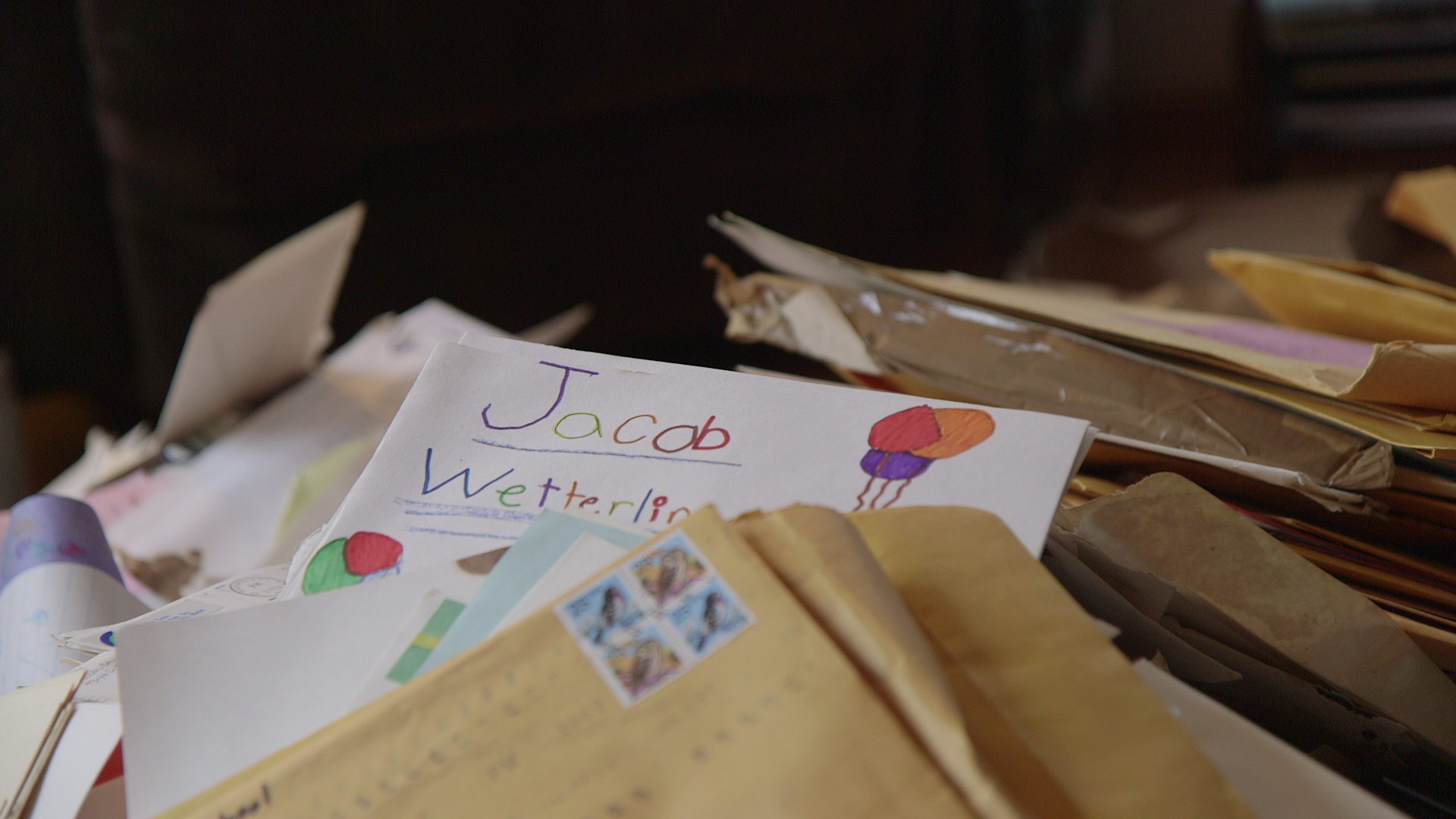
GC: How did you organize and deal with such a massive amount of archival footage? It’s a monumental task to climb this Mount Everest of material and use it in a way that works for the film.
CN: It was a vexing question all along: How much do you see the talking heads that we shot versus how much of this archival do you use? We then have to mix that in with B-roll and verite stuff to get the right balance.
There’s so much out there. The stuff in my possession barely scratches the surface. I came upon it in a lot of different ways, but one of the most valuable sources was the Wetterlings. There’s a scene in the film where Patty shows us around her basement, locating home videos. A few weeks after we shot that I asked her for some home movies. That visit to their house ended with me packing my station wagon with boxes and boxes of VHS tapes that the Wetterlings had recorded. Two folks working for me spent a year going through the VHS tapes to log and digitize them. It’s a history of what TV used to look like decades ago.
GC: One of the subtexts of this movie is the way that time is elastic; time can be frozen and yet it doesn’t stand still. We see Patty in 1989 and then we see Patty today and she never gave up. This incredible effort on behalf of her son became her life’s work.
CN: There’s one clip we use in the film pretty early on showing the Fox 9 anchors reporting on the abduction of Jacob the day after it took place. The Wetterlings were using their VCR to capture and chronicle the news coverage from day two. So they were constantly putting in new VHS tapes to record the news. I could work with all this stuff that had been collected over a very long period of time.
GC: You hear over and over about Patty Wetterling’s humanity, resolve and resilience. Her refusal to make her son’s killer into a monster is one moment that stands out.
CN: I hear a lot about that scene during Q&A’s. I don’t want to overstate its importance or anything, but I think Patty’s words cause audience members to confront their own views of right and wrong and crime and punishment.
Who wouldn’t be angry? Feeling anger is one of the first things we would feel and a lot of people don’t get much further beyond that. So when people hear Patty Wetterling offer so much nuance, they have to grapple a little bit with that because it would be easier to imagine her saying, “I wish they had sent this monster away and I hope he never sees the sun again.” Everybody would nod in agreement.
I’m glad you pointed it out because it’s one of the last things that you’re confronted with. You walk out of the movie theater thinking a lot about that moment.
+++++
You can learn more about “Echoes in the Night: The Search for Jacob Wetterling” at www.jacobwetterlingfilm.com. All photos courtesy Ocean of Light Productions.